


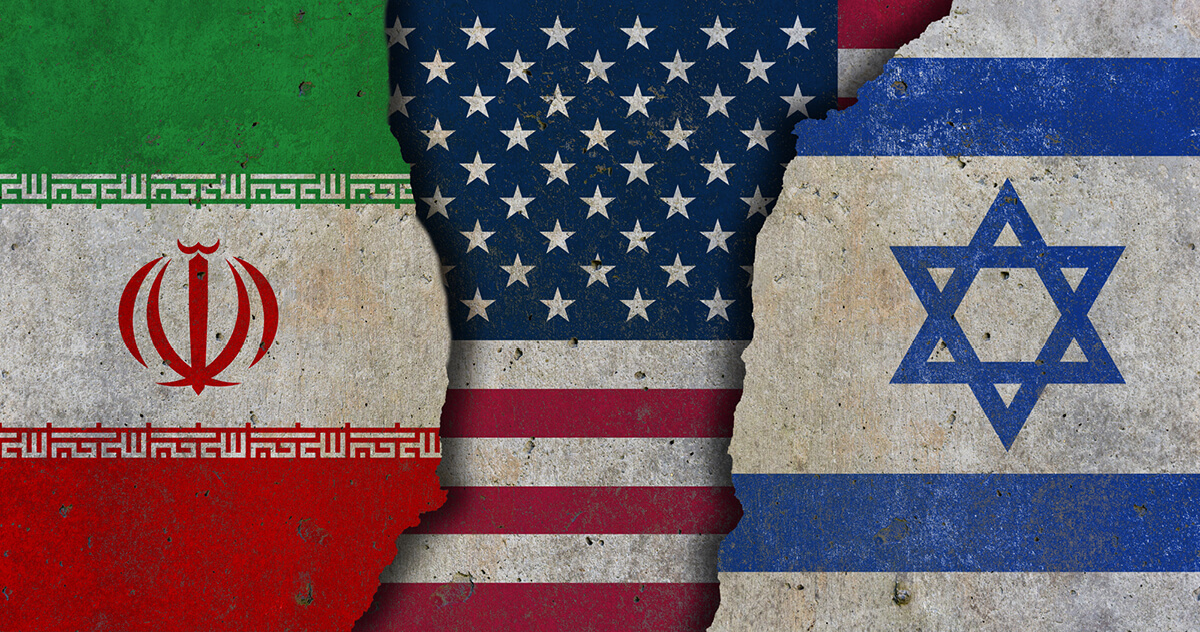
Over the past few weeks, global markets have been unsettled by rising geopolitical tensions in the Middle East, particularly the ongoing conflict involving Iran and disruptions through the Strait of Hormuz — one of the world’s most important oil shipping routes.
When events like this dominate headlines, it’s completely natural to feel uneasy. Sharp movements in oil prices, falling share markets, and talk of higher inflation can all feel confronting. However, it’s important to step back, put recent events into context, and reconnect with what really drives long‑term investment outcomes.
Why Oil Matters — and Why Markets Are Reacting
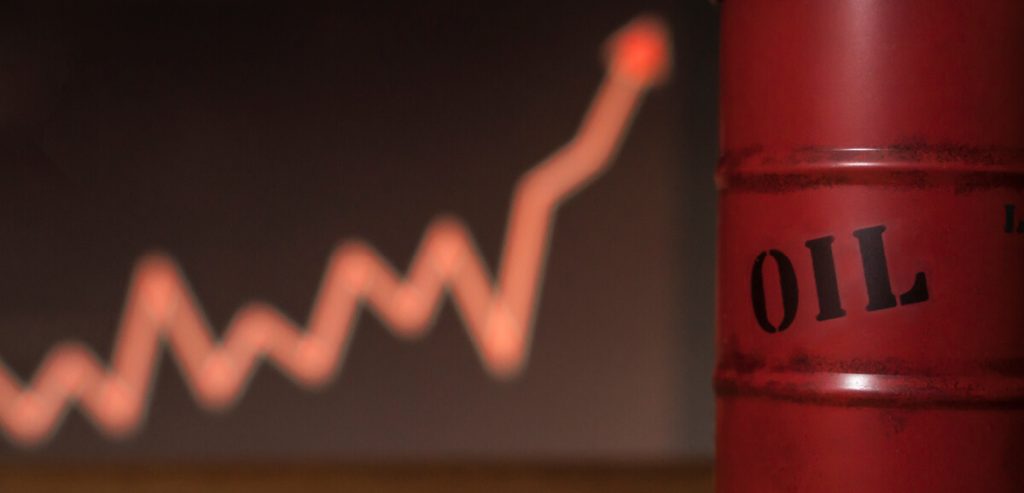
The Strait of Hormuz is critical to global energy supply, with around 15% of the world’s oil passing through it. Disruptions have already pushed oil prices higher, which in turn has flowed through to:
- Higher petrol prices
- Increased inflation expectations
- Pressure on share markets globally
- Rising bond yields
In Australia, the share market has fallen alongside global markets, even though our economy is relatively well placed compared to many others. While Australia is a net oil importer, we are also a major exporter of energy, particularly gas, which can partially offset the impact at a national level.
That said, if high oil prices persist for an extended period, they can act as a tax on households through higher fuel and living costs — something markets are clearly factoring in right now.

Short‑Term Shocks vs Long‑Term Reality
Geopolitical shocks feel intense in the moment, but history consistently shows that markets eventually look through them.
Oil crises, wars, pandemics, recessions and political uncertainty are not new. Markets have lived through the oil embargo of the 1970s, the Gulf Wars, the Global Financial Crisis, COVID‑19, and countless regional conflicts — and yet, over time, diversified investors have still been rewarded.
Short‑term market falls are uncomfortable, but they are a normal part of investing. In fact, periods of volatility are often the price paid for achieving long‑term growth.
What This Means for Your Portfolio
This is where asset allocation and diversification do the heavy lifting.
A well‑constructed portfolio is designed with events like this in mind. It spreads risk across:
- Australian and global shares
- Defensive assets such as bonds and cash
- Different sectors and regions
- Different economic environments
No single event — whether geopolitical, economic or political — should determine the success or failure of a long‑term plan.
Trying to react to headlines by jumping in and out of markets often does more damage than good. Markets tend to recover before the news cycle improves, and investors who move to the sidelines frequently miss that recovery.
The Bigger Picture
While the current conflict is serious, most analysts still expect it to remain contained rather than escalate into a prolonged global shock. Even if volatility continues in the short term, markets are already pricing in a great deal of bad news.
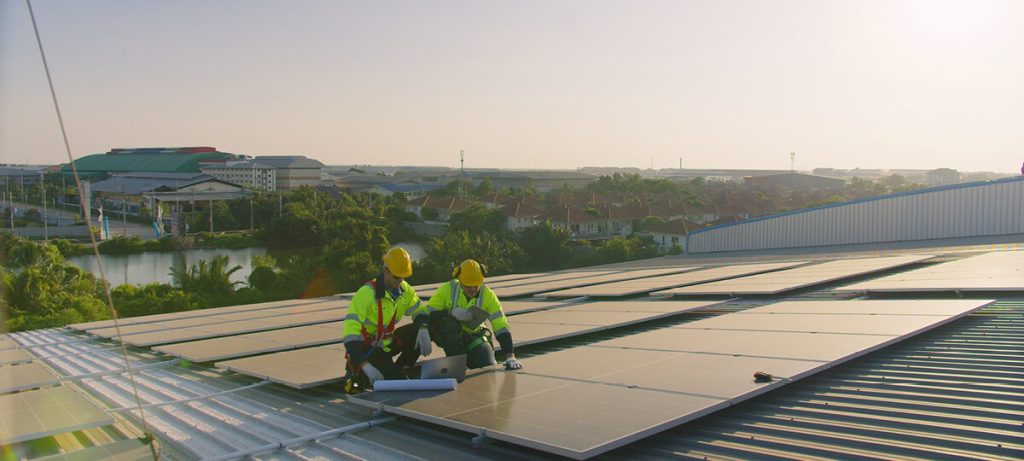
Importantly, periods like this often accelerate longer‑term structural trends, including:
- Greater investment in renewable energy
- Reduced reliance on single supply chains
- Increased focus on domestic production and resilience
These changes can create opportunities over time, particularly for patient investors who remain disciplined.

Staying the Course Matters
At Whitehead Financial, our focus has always been on helping clients invest with clarity, confidence and purpose — not reacting emotionally to every market movement.
If your financial plan is built around your goals, timeframes and cash‑flow needs, then short‑term volatility, while uncomfortable, does not mean something is “wrong”.
In many cases, doing nothing is the most disciplined decision of all.
That doesn’t mean ignoring what’s happening — it means understanding it, putting it into context, and sticking to a strategy designed for the long term.

Final Thought
Markets will always give us reasons to worry. Headlines will change, crises will come and go, and volatility will return again in the future.
But long‑term investing has never been about predicting the next crisis — it’s about being prepared for them.
If you have concerns about how current market conditions relate to your personal situation, or you’d simply like reassurance that your strategy remains on track, we’re always here to talk.
Staying invested, staying diversified, and staying focused on the long term remains the most reliable path forward.
The Whitehead Financial Team
